Japan is one of those countries where the famous places are famous for good reason — and yet most travelers leave never having seen what we believe is the country's best version of itself. After a decade planning trips here, these are the places we send people who have already done the obvious.
Kanazawa — the quiet alternative to Kyoto
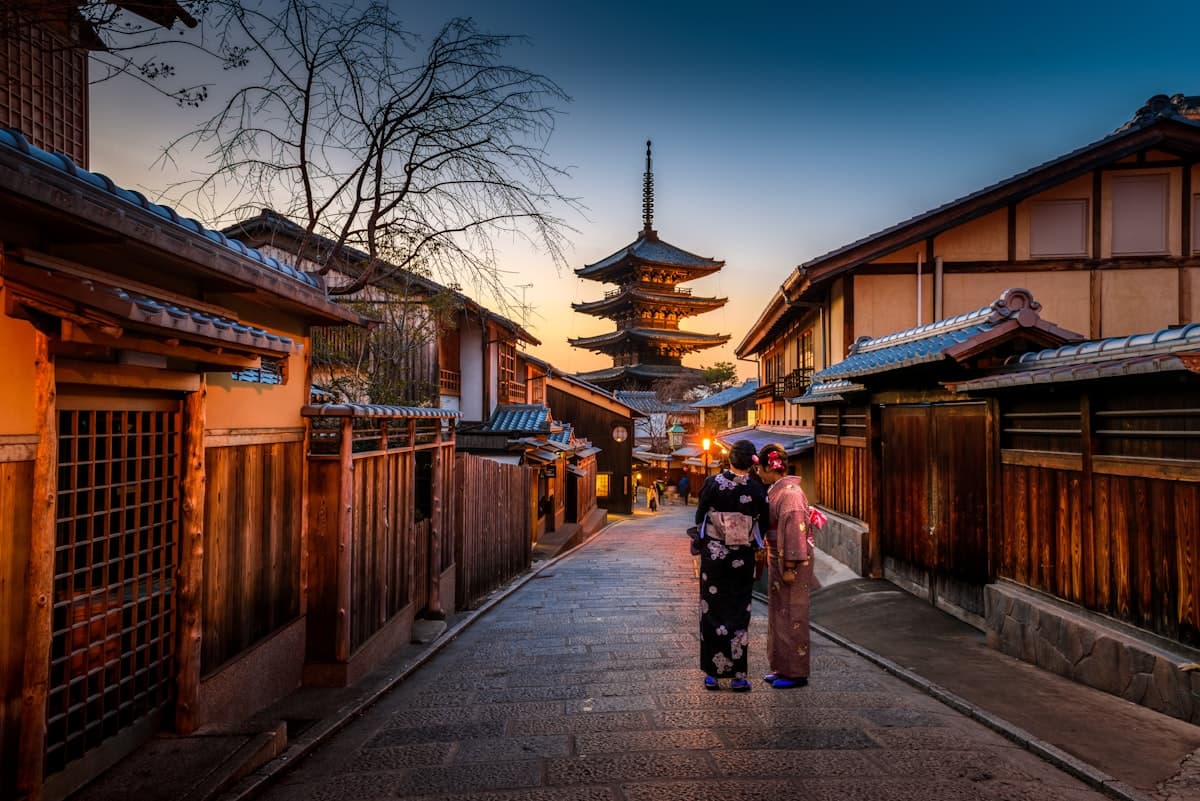
On the Sea of Japan coast, Kanazawa was the second-richest city in feudal Japan after Edo. It escaped wartime bombing, which means its samurai and geisha districts survive intact and uncrowded. Kenroku-en, one of Japan's three great gardens, is the obvious stop — but the 21st Century Museum of Contemporary Art and the gold-leaf workshops are what stayed with our planners.
What not to miss
- Higashi Chaya — the eastern geisha district, particularly at dusk
- Omicho Market — three generations of fishmongers, working the same stalls
- Myoryuji ("Ninja Temple") — the staircase secrets are real
Naoshima — the island that became an art project
In the 1980s, a publishing magnate decided to convert a depopulating fishing island in the Seto Inland Sea into a contemporary art destination. The result is unlike anywhere else: museums embedded into hillsides by Tadao Ando, abandoned houses turned into installations, and a giant yellow Yayoi Kusama pumpkin on the pier that has become a pilgrimage.
Koyasan — sleep at a thousand-year-old temple
Two hours south of Osaka, Koyasan is the headquarters of Shingon Buddhism — and unlike most religious sites, you can stay in a working monastery (shukubo). Wake at 5:30 a.m. for the morning fire ritual, eat a vegetarian shojin ryori dinner served on lacquerware, and walk the Okunoin cemetery at twilight, the largest in Japan, with two hundred thousand cedar-shaded graves.
Takayama and the Hida region — the Japanese Alps
The old town here looks unchanged from the Edo period because it largely is. Sake brewers offer morning tastings, the morning markets along the Miyagawa river are run by farmers who'd be insulted by the word 'curated,' and Hida beef holds its own against any Wagyu in the country. Side trip: Shirakawa-go, the gassho-zukuri thatched-roof villages that look like a Studio Ghibli film come to life — especially in winter.
Yakushima — Miyazaki's forest, in real life
A subtropical island off the southern tip of Kyushu, Yakushima's ancient cedar forests directly inspired the visual world of Princess Mononoke. The Jomon Sugi cedar is somewhere between 2,000 and 7,000 years old. Hike the moss-carpeted Shiratani Unsuikyo ravine — even the skeptics on our team admit it does something to you.
When to go
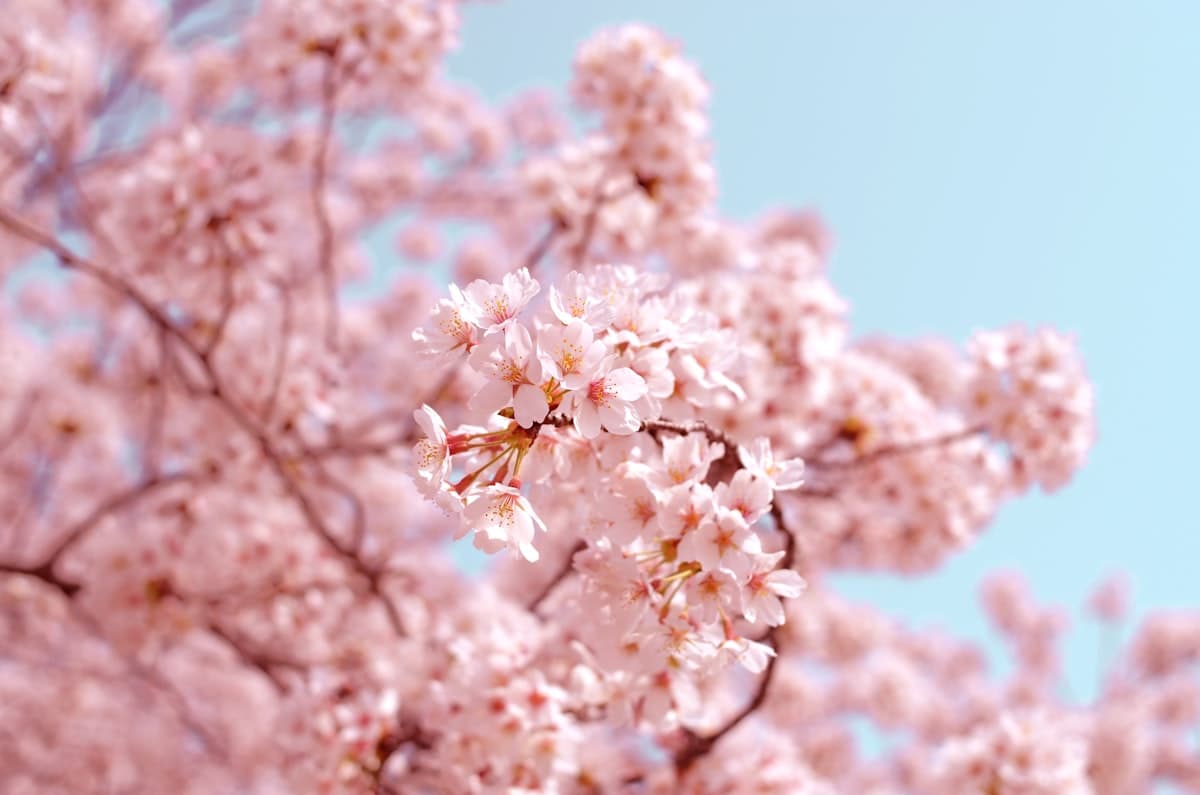
Cherry blossom (last week of March through first week of April) and autumn (mid-November) are the obvious peaks, but they are also the most crowded. Our private favorite is the third week of May — green everywhere, no crowds, mild weather. November in the Hida Alps is exceptional too, especially with the first snowfall on the gassho roofs.