Norway is the only country where we routinely get asked two completely different questions in the same week: 'When should we go for the midnight sun?' and 'When should we go for the northern lights?' The answer is the same: whenever you decide, commit to it fully and plan around what that season actually delivers.
Summer in Norway: the midnight sun window
From late May through late July, northern Norway does not get dark. At midnight, the sun is still above the horizon in Tromsø, and in the Lofoten Islands the light turns golden at 11 p.m. and stays that way until 1 a.m. Hiking in that light, on the Reinebringen ridge above the fishing village of Reine or across the plateau of Trolltunga, is a physical sensation that photographs fail to communicate. Pack a sleep mask.
What summer gets you
Access to all fjord roads, hiking trails, and boat routes. The Flåm Railway runs on full schedule. Village shops and mountain huts are open. Kayaking inside the fjords, passing under walls of rock that drop a thousand meters into the water, is possible in a single afternoon. June is the sweet spot: school holidays have not started, prices are lower than July, and the light is near-identical.
Winter in Norway: the aurora window
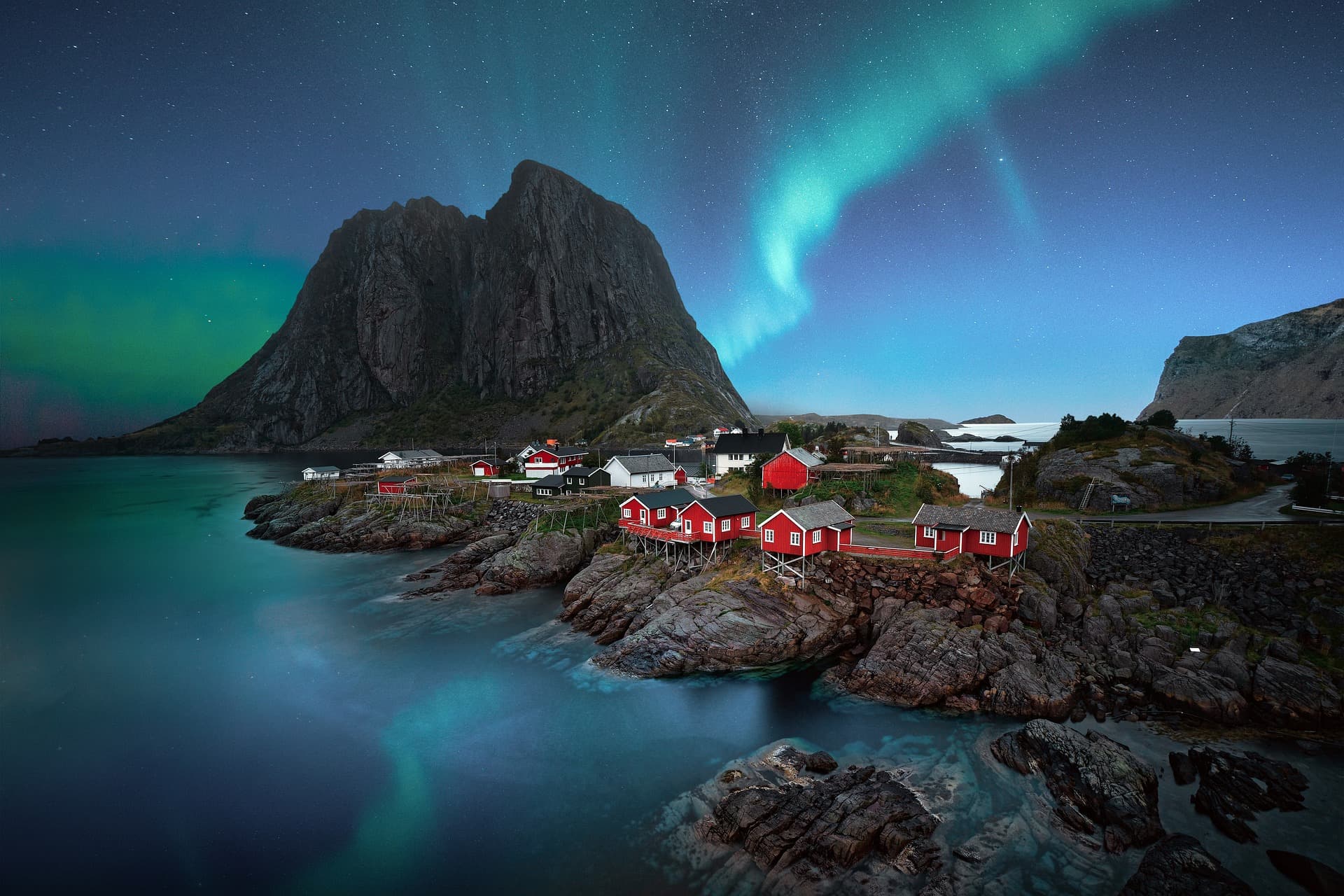
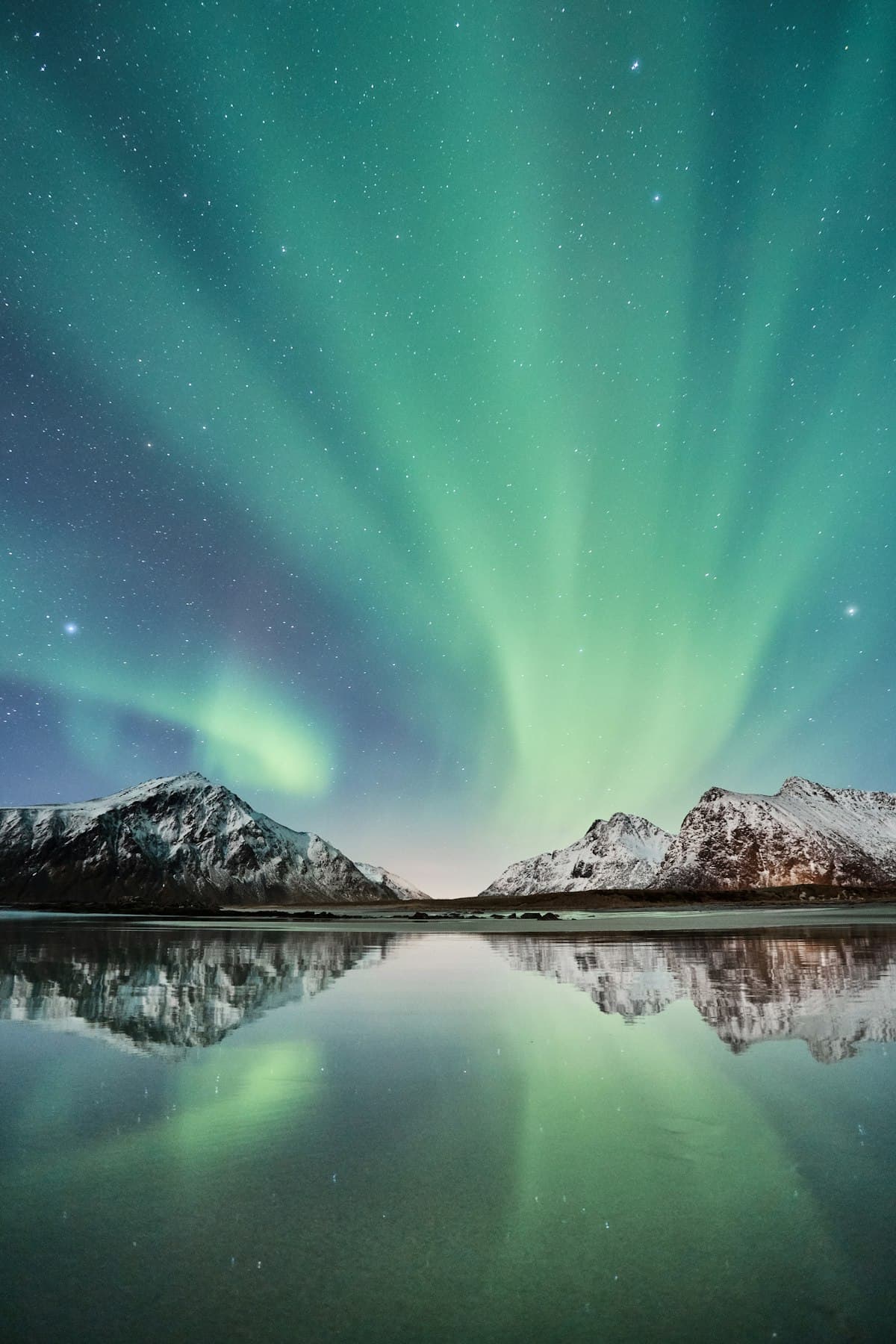
The Northern Lights are visible from late September through early April anywhere above the Arctic Circle. Tromsø is the most accessible base, with a real city, several university research institutes that provide legitimate aurora forecasting, and guided tours that drive into the fjords away from light pollution when the forecast turns favorable. A KP index of 3 or above with clear skies is a sighting. Do not book a one-night trip hoping for an aurora; book three to four nights and let the weather work in your favor.
What winter gets you beyond the lights
Reindeer sledding with Sámi guides on the Finnmarksvidda plateau. Dog sledding from Tromsø into the valley above the city. Snowshoeing through the Lofoten Islands when the red fishermen's cabins sit in snow and the frozen harbor smells of dried cod. And the Norwegian concept of koselig, which describes the specific coziness of a warm cabin with bad weather outside and good food inside, something untranslatable and completely real.
Fjordland: Sognefjord, Hardangerfjord, and Geirangerfjord
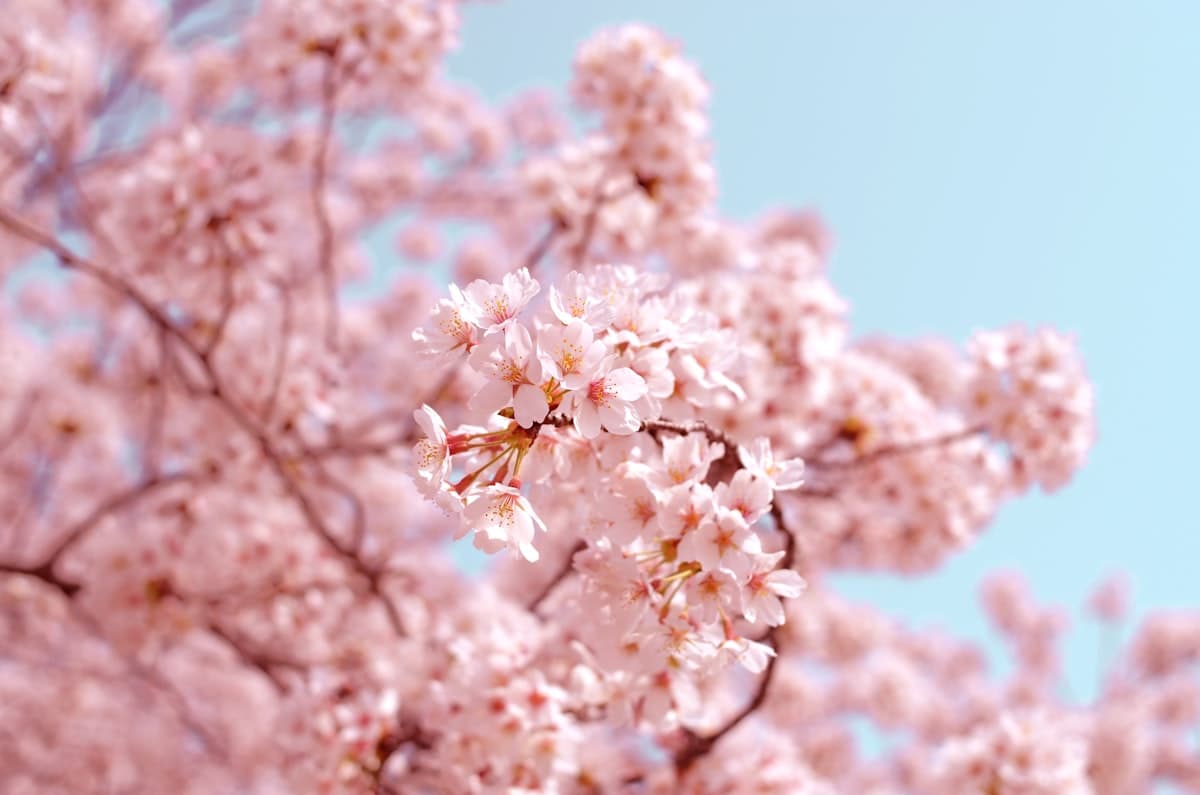
Geirangerfjord is the one in the brochures and on the UNESCO list, with steep walls, the Seven Sisters waterfall and undeniable drama. In July, it also has five cruise ships at anchor simultaneously. Sognefjord is the longest and deepest fjord in Norway and its arms, particularly the Nærøyfjord, are narrower and more intimate. Hardangerfjord, in the southwest, is the apple-blossom fjord: in May, every orchard on the hillside blooms and the water goes mirror-flat. It is the most underrated fjord in the country.
Getting around: train, boat, or car
The Bergen Railway between Oslo and Bergen is one of the great train journeys in Europe, five hours across the Hardangervidda plateau at high altitude. The Flåm Railway descends from the plateau to the fjord in 20 km. After that, a rental car is the most flexible option in the fjords, though the roads are narrow, the tunnels are long, and the speed limits are slow. Budget twice the driving time Google Maps suggests.