Barcelona is spectacular and genuinely worth visiting. It also receives 30 million tourists a year and has priced out many of its own residents. Spain beyond Barcelona, particularly the food-drunk north and the overlooked capital, is a different conversation entirely.
Madrid: three days done right
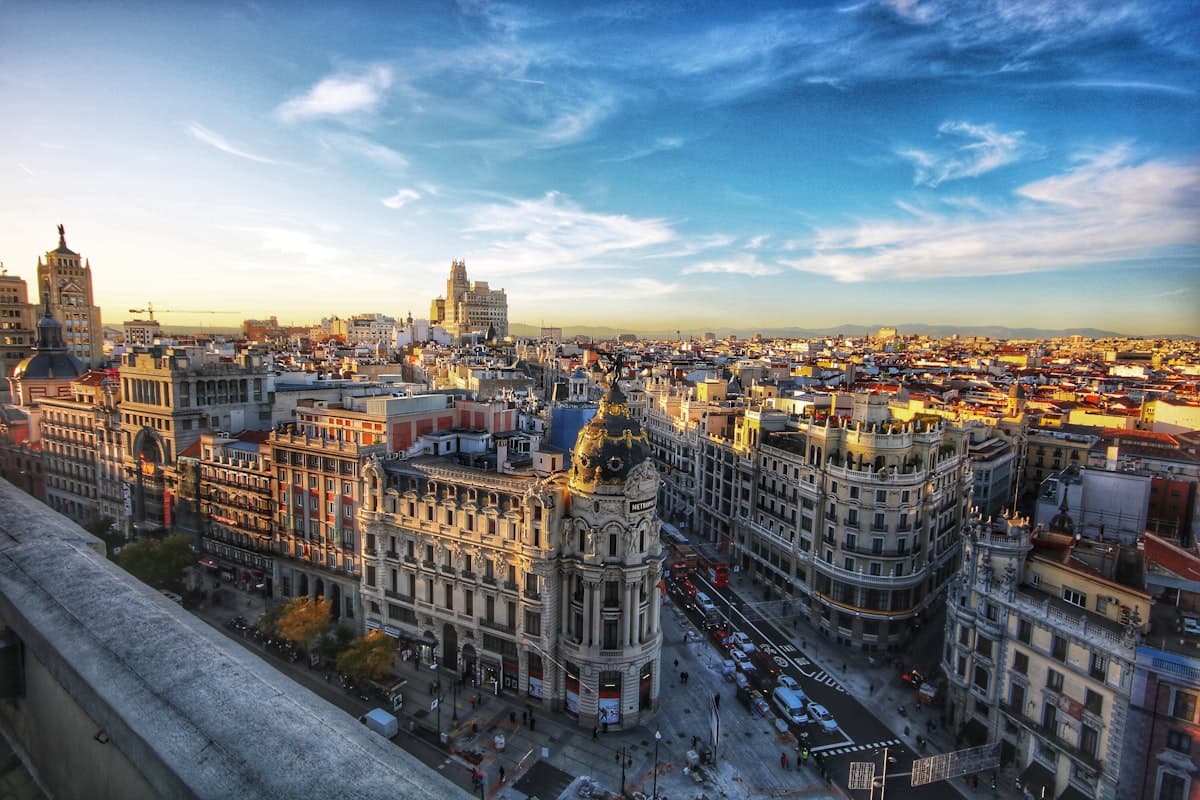
Madrid is a city that improves the longer you stay. The Prado Museum holds one of the three or four greatest painting collections in the world, including Velázquez, Goya and Bosch, and requires a full day just for the highlights. The Reina Sofía has Guernica, which is larger in person than any reproduction suggests and sits in a room that earns genuine silence. But the city's real offering is its public life: a tradition of staying out late, eating late, and treating every evening as an occasion. Dinner at 9:30 p.m. is normal. At midnight, the streets are busy. Madrid does not apologize for this.
The mercados worth the detour
San Miguel Market near Plaza Mayor is the tourist version, glossy and expensive but worth a quick look. Mercado de Antón Martín in the Lavapiés neighborhood is the real one: fishmongers, produce, and a Japanese fusion bar in the corner where the sushi chef has been working the same station for eight years. Rastro, the Sunday flea market in the same neighborhood, is chaotic, fun, and the best place to get pickpocketed in Europe. That is both a warning and a recommendation.
San Sebastián: the greatest food city in Europe
San Sebastián sits on the Bay of Biscay in the Basque Country and has more Michelin stars per capita than anywhere else on earth. But the city's real genius is the pintxos bar culture: small bars in the Parte Vieja lay out dozens of bite-sized preparations on the bar top, priced at two to four euros each, and you eat standing with a glass of txakoli and move on to the next bar. An evening of pintxos crawling through perhaps eight bars with two or three bites at each is dinner, entertainment, and a cultural education simultaneously.
Bilbao and the Guggenheim effect
Bilbao in 1997 was a post-industrial port city in decline. Then Frank Gehry's titanium-clad Guggenheim Museum opened and the phrase the Bilbao effect entered urban planning vocabulary. The museum is worth the trip on its own. The permanent collection is excellent and the Richard Serra installation in the Turbine Hall is one of the most physically overwhelming artworks you will ever stand inside. Bilbao has also built a real food scene, a pedestrianized old quarter, and a metro designed by Norman Foster that is genuinely a pleasure to use.
The best time to be in Spain
April through June and September through October are peak quality months everywhere in the country. Avoid July and August in Madrid and southern Spain where the heat is real and the coastal resorts are overwhelmed. The Basque Country is cooler than the rest of Spain and is genuinely pleasant in summer; in winter it rains, which is why they invented indoor bar culture.