The tourist industry tells you to come in peak season. Hotels and airlines make their margins in peak season. Tour operators fill their coaches in peak season. The reality for travelers is different: peak season is crowded, expensive, and often the worst time to actually experience a place.
We have been running tours to these destinations for over a decade. Here is what the data says about when to actually go.
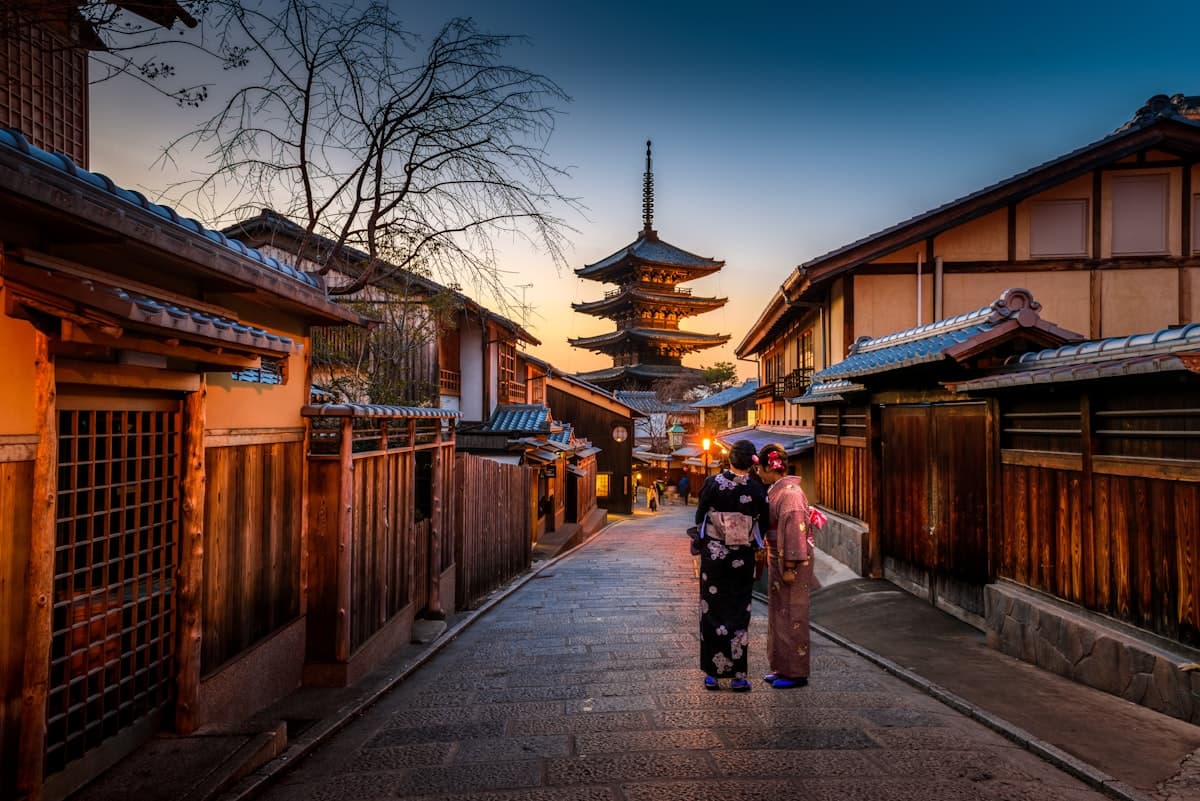
Japan: Cherry blossoms are not the only reason
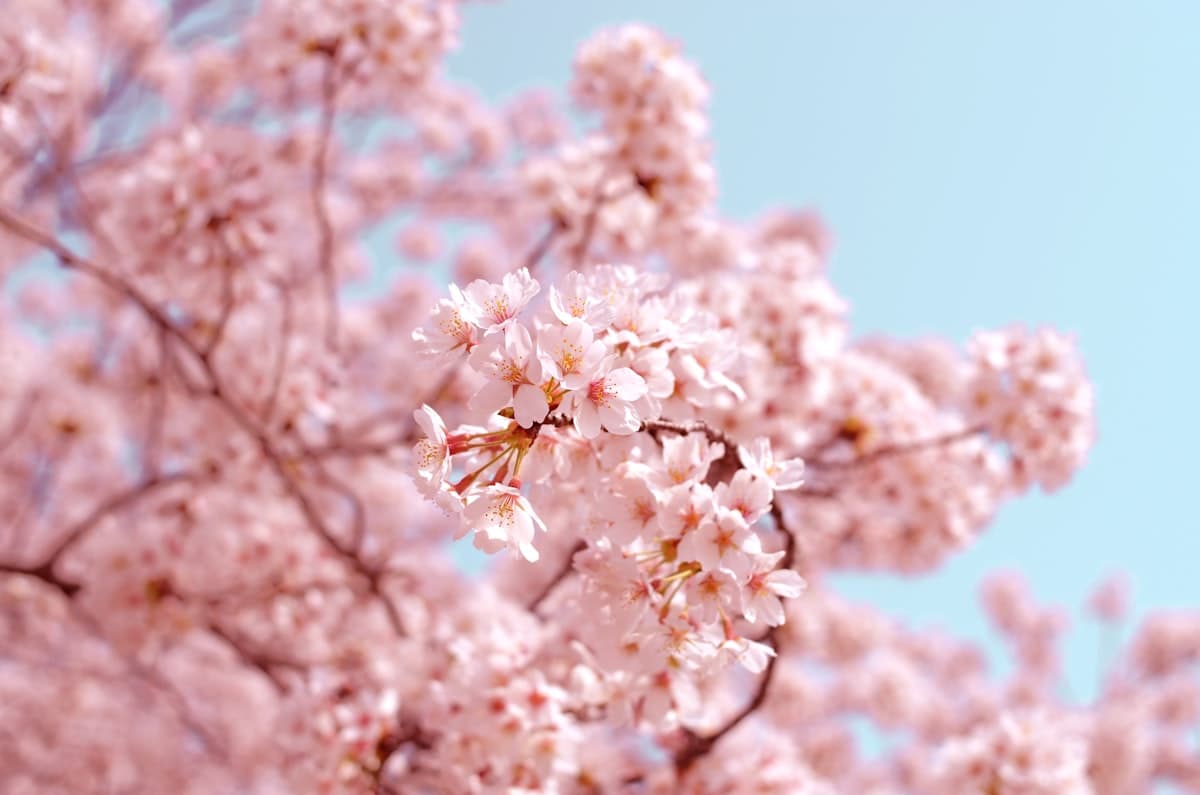
Peak season: Late March to early April (cherry blossoms)
Cherry blossoms are beautiful for roughly ten days. The week before and after peak bloom, you are standing in lines with a thousand other tourists holding the same idea. Hotels book a year in advance. Prices are 60 percent higher than any other season. You will spend more time waiting than experiencing.
Better option: Late April to May
The cherry blossoms have dropped but the gardens are in full bloom. Weather is mild (70 to 75 degrees). Crowds disappear almost completely. You can book hotels three months in advance. Prices are 30 to 40 percent lower than peak. The temples feel like you are visiting, not touring. This is when we schedule our Japan Discovery group tours.
Also excellent: Mid-October to mid-November (autumn foliage)
The maples turn red and gold. Weather is crisp and clear. Humidity is gone. This is when Japanese people travel within Japan. Kyoto and Nara are busy but not overwhelming. The food is better (harvest season). Hotels at 4-star properties run $180 to $220 per night instead of $280 to $320.
Avoid: December through February
Winter in Japan is dry and colorless. Many gardens are dormant. Temples are cold. New Year season (Dec 27 to Jan 3) is when all of Japan is on holiday and everything is booked or closed.
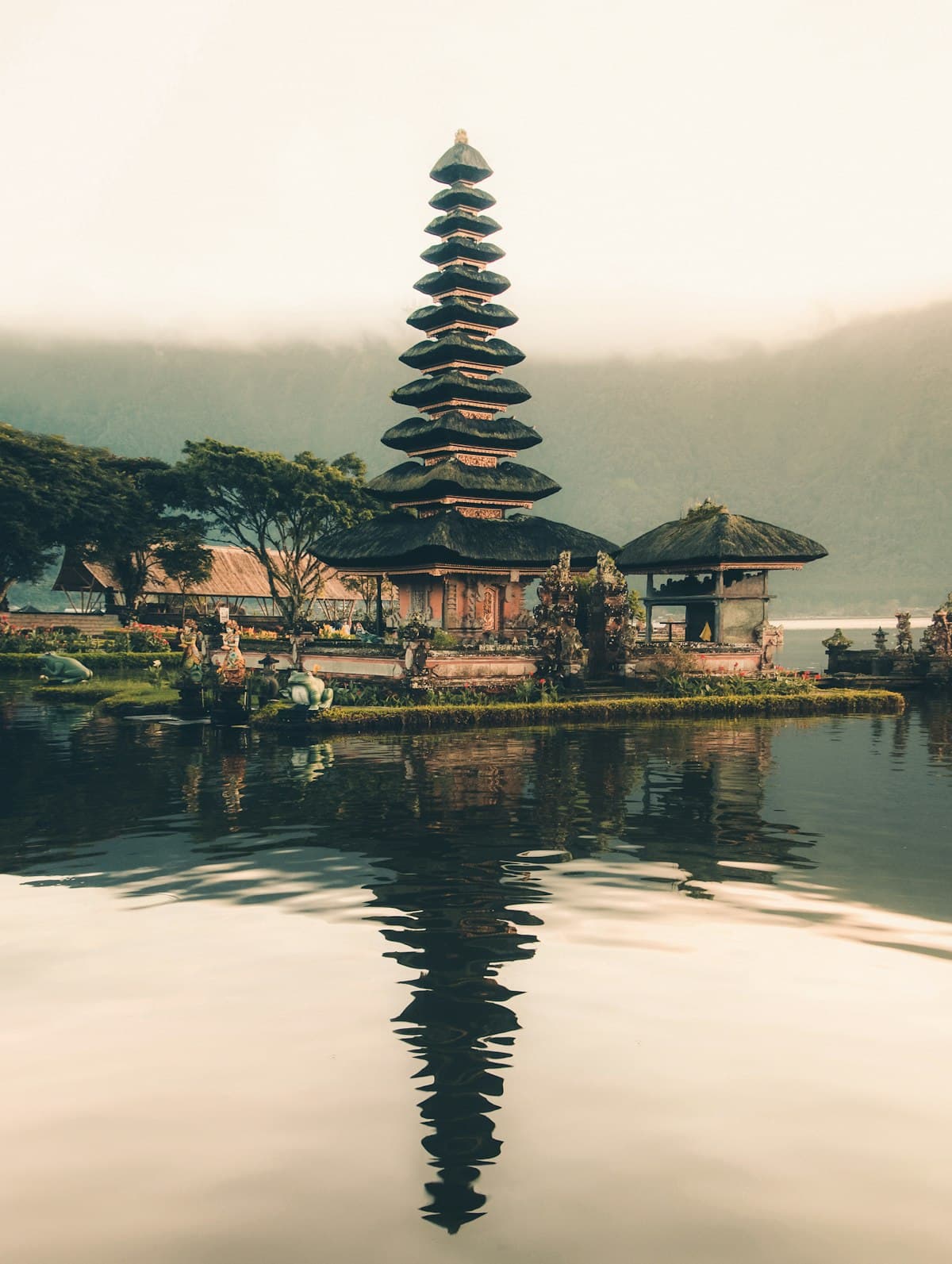
Bali: Dry season does not mean dry prices
Peak season: July and August
School holidays in the northern hemisphere means families flood Bali. Hotels are full. Beaches are packed. Restaurants have three-hour waits. Prices reflect demand. A 4-star hotel runs $240 to $280 per night. The experience is generic tourism.
Best option: April to June and September to October
Dry season (April through October) means reliable weather. But shoulder months (April-May and September-October) have 40 to 50 percent better value. Hotels run $120 to $160 per night. Restaurants have tables. You can actually have a conversation with your guide. The weather is still pristine. Our Bali Luxury Escape tours are specifically timed for these windows.
Our best-value recommendation: early May or late September. You get dry weather, no crowds, and hotel rates that do not require a secondary mortgage.
Also good: November to March (monsoon season)
The name "monsoon" scares people. In reality, it rains in the afternoon for 30 to 60 minutes, then clears. Mornings are clear. The landscape is vivid green. Hotels offer discounts of 50 to 60 percent. If you can be flexible around rain, this is when Bali actually becomes affordable.
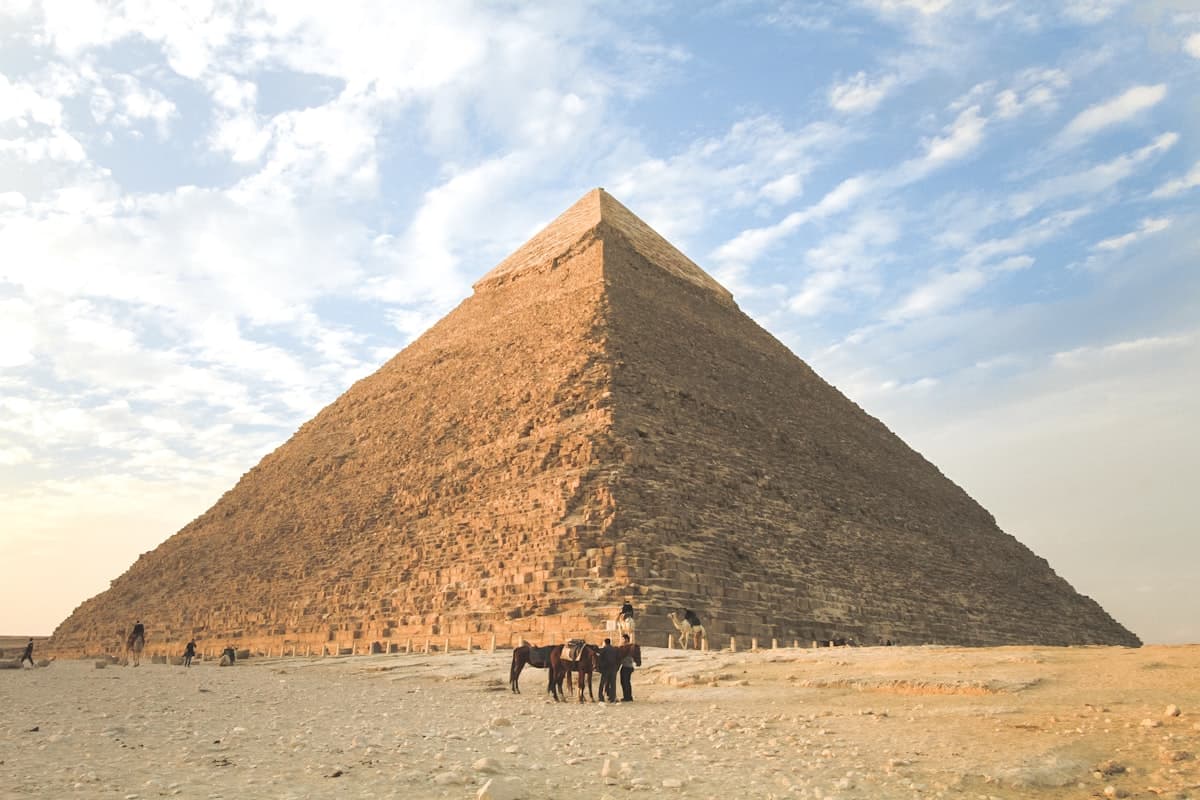
Egypt: The Nile water levels are more important than you think
Peak season: January to February
Weather is perfect (70 to 80 degrees). Nile water levels are optimal for sailing feluccas and accessing certain temples. But every travel company on earth is marketing Egypt during these months. Hotels book solid. Prices are at peak. The crowds at the pyramids and Valley of the Kings are real.
Better option: November or March to early April
Temperature is still comfortable (75 to 85 degrees). Nile levels are acceptable. Hotels offer 20 to 30 percent discounts. You get your pick of Nile cruise boats and departure times. The experience is still excellent, the crowds are manageable, and the price is significantly lower. Our Egypt Explorer group tours run during these optimal windows.
Completely avoid: May through September
Temperatures hit 95 to 110 degrees. The heat is not part of the experience, it is a hazard. We do not run tours during this period.
Europe (Italy, Greece, Spain): Shoulder season is not a compromise
Peak season: June through August
It is tourist infrastructure. The Colosseum has lines that wrap around the building. Venice has literal bottleneck alleys where walking takes 20 minutes to go 100 meters. Hotels price 30 to 50 percent higher. Restaurants are mediocre because they count on volume, not repeat customers.
Best option: May or September to early October
Weather is perfect (70 to 80 degrees). Museums and sites have reasonable lines. Local restaurants have tables. Hotels run $150 to $200 per night instead of $240 to $320. This is when Europeans travel within Europe for good reason. We schedule Italy Explorer tours, Greece Wonders trips, and Spain Wonders adventures for these shoulder seasons.
Also good: October to November
Fewer crowds. The light is golden. Wine harvest season in Tuscany and the Douro Valley. Prices are lowest outside of dead winter. Temperature is still pleasant (60 to 70 degrees).
Avoid: December through February in northern Europe
Venice can be too cold and has acqua alta (high water flooding). Northern Italy is gray and wet. Unless you are specifically going for ski season or Christmas markets, February is the slowest month for good reason.
Thailand: Avoid the heat, embrace the cool season
Peak season: November to February
Weather is dry and cool (75 to 85 degrees). This is when all tourists go. Hotels are full. Prices are expensive. Bangkok traffic is worse than usual.
Better option: March to April (with caution)
Temperatures are climbing (85 to 95 degrees) but still manageable. Hotels offer 30 to 40 percent discounts. Songkran (Thai New Year) falls in mid-April and is a cultural experience, though it involves a lot of water throwing on the streets. If you can handle the heat and the crowds during the festival, prices are worth it. Our Luxury Thai Escape tours balance season and value.
Also good: May to June and September to October (low season)
Humidity rises, but rain is not constant. Mornings are clear. Tourism drops significantly. Hotels and restaurants offer 50 percent discounts. If you can travel with flexibility, low season Thailand is where savvy travelers go.
Avoid: July to August
Hot, humid, and rainy. The monsoon is in full swing. Even with discounts, the experience is compromised.
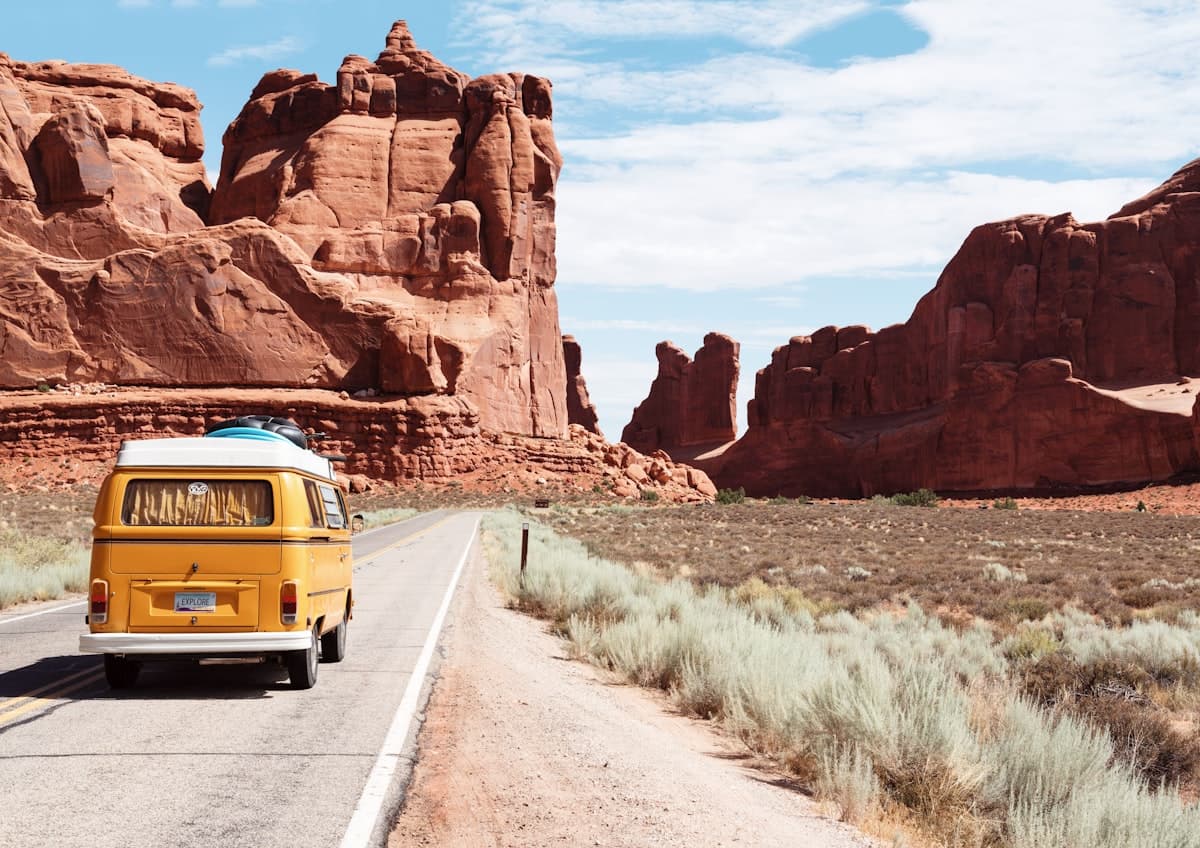
USA destinations: Regional timing is different
East Coast (New York, Philadelphia, Washington D.C.): May to June or September to October
Summer is crowded and humid. Fall foliage peaks in late September to mid-October. Spring is ideal (mild, blooming gardens). Hotels in D.C. and Philly are 20 to 30 percent cheaper in these months than in summer.
Hawaii: May to June or September to early November
Summer (June through August) is hot and crowded. Winter (December through February) is cooler and has bigger waves on the north shore. Shoulder seasons offer the best weather and crowds are manageable.
Alaska: June to August only
This is the only season. September begins the shoulder into cold and darkness.
The economics of seasonality
Shoulder season and low season are not compromises. They are where we send people when they ask for our honest recommendation. A family of four saves $3,000 to $5,000 by traveling in May instead of July to Southeast Asia. An empty shoulder-season tour gives you better guide attention and customization. This is also why our group tour pricing varies so dramatically by season - read our full group travel cost breakdown to understand the economics.
How to pick your season: The questions we ask
Are your dates fixed or flexible?
Fixed dates (school breaks, work schedule) limit options. Flexible dates (retirement, sabbatical) give you access to better pricing and experiences.
What is your tolerance for crowds?
Dislike crowds? Go shoulder season. Peak season tourists are there for the bucket list, not the experience. Crowds change the experience fundamentally.
What specific experiences are you chasing?
Cherry blossoms? Go late March to early April and accept the cost and crowds. Nile River sailing? November to February. Avoid specific seasons for specific reasons, not because a travel website says so.