
The question we hear most often from families is this: does our family have to stick with the whole group? What if our kids want to do different things? What if we are faster or slower? What if the group has people we do not like?
These are fair questions. Group travel sounds like a loss of control. What we have learned from five years of running family group tours is that the opposite is true. Structure creates freedom. Having professionals handle logistics actually gives families more flexibility, not less. One family from Seattle told us: "We expected to be frustrated by a group schedule. Instead, we actually relaxed for the first time in years. Someone else was handling dinner plans."
The actual cost of solo family travel (that nobody talks about)
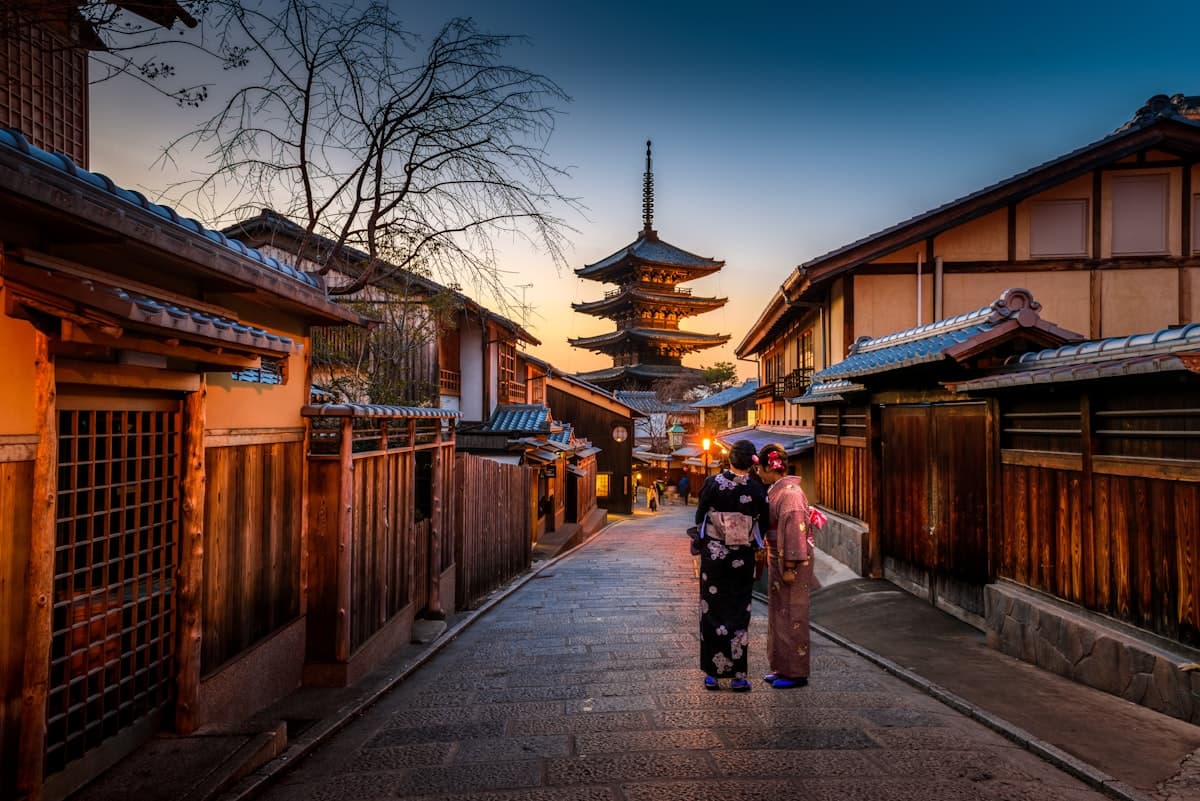
Let us start with money. A family of four (two adults, two kids, ages 8 and 12) going to Japan independently:
- Flights: $600 to $900 per person, often no group discounts. Budget $3,200 to $3,600 total.
- Hotels: Solo travelers cannot negotiate group rates. Budget $280 to $350 per night for a 4-star hotel with two rooms or a family suite. For 7 nights, that is $1,960 to $2,450.
- Food: You are finding restaurants for every single meal. First dinner out is a gamble. You either overpay ($60 to $80 per person) or waste time researching. Average: $45 per person per day. Four people, seven days: $1,260.
- Transportation and guides: Solo travelers either rent a car (bad idea in Tokyo and Kyoto, traffic is intense) or use taxis and trains. Train passes are not always cheaper than guided group transport. Budget $40 to $60 per day for transport. Seven days: $280 to $420.
- Activities: Museums and temples have queues. You book attractions à la carte and pay full price. Kids get bored waiting in line. Budget $30 to $50 per person per day. Four people, seven days: $840 to $1,400.
- The hidden cost: time spent planning and problem-solving. That is five to ten hours before the trip researching, and another ten to fifteen hours during the trip finding things, calling restaurants, handling logistics. If you bill yourself at anything close to your actual hourly rate, this is not free.
Solo family trip total: $7,540 to $9,530, plus ten to twenty hours of your own labor.
Our Japan family group tour (7 days, same itinerary, hotels in Kyoto and Tokyo, guides, most meals, activities included): $2,800 per person, $11,200 for the family of four.
The math seems bad until you factor in what you get for the extra money: a professional guide who actually studied Japanese history, transportation, logistics handled, your dinners are at restaurants chosen by someone who knows the neighborhood, other families with kids the same age, and your time back. Do not underestimate the value of having zero decisions to make from 7 a.m. to 7 p.m.
What structure actually creates for families
The breakfast decision is made
In a group tour, breakfast is at 7 a.m., included, one option. Yes, that is less choice. But your family is not spending 30 minutes at 6:45 a.m. arguing about where to eat. Your kids are not eating terrible hotel pastries because it is easy. You sit down with other families, kids start talking, you get 45 minutes of actual human time before the day begins.
The lunch logistics are solved
On a solo trip, you are standing with your family at noon in a foreign city trying to figure out lunch. Do you stop sightseeing? Do you eat fast food? On a group tour, the guide knows the neighborhood restaurants that are safe for kids with allergies, seats groups, and serve in 30 minutes, not two hours. That is not loss of freedom. That is expertise.
The transportation is seamless
Kids have gear (bags, water bottles, sometimes strollers). A tour group has one coach that you get on and off. A solo family is navigating streets, checking Google Maps, waiting for taxis, managing luggage. A 7-year-old gets tired and cranky. A 12-year-old is scrolling their phone instead of looking at the temple. The pace is rushed.
The "what do we do now" problem evaporates
On our tours, each day has an anchor activity (morning temple tour, afternoon museum, evening dinner). Then you have free time. Some families go to the market. Some return to the hotel and rest. Some sit in a cafe. But the paralysis of choice is gone. As parents, you know what 4 p.m. looks like. That is freedom.
The social layer nobody mentions
Here is what we did not expect when we started running family tours: the social aspect becomes the highlight of the trip. Honestly, we thought we were wrong when we kept hearing this feedback. But after the hundredth family mentioned it, we realized - this is the real value.
Your kids meet other kids from different cities and states. They discover that other families do things differently. They see that there are different ways to be a family, and most people are just figuring it out like their parents are. They make friends they actually stay in touch with. We have had kids from our 2024 tours invite each other to birthday parties in 2025. A mom from Portland told us her daughter is still texting the kids she met on our Japan tour six months later. That is not a tour highlight. That is a life highlight.
Parents do the same thing. You end up having real conversations with other adults who chose the same tour. You find out you have a lot in common. These are not shallow tour-guide conversations. These are people who valued the same kind of travel you did.
Does everyone stay together the whole time?
Not exactly. Our family tours have group activities (guided city tour, museum visit, boat ride, dinner) scheduled daily. Free time in the evening is actually free. Some families go explore the neighborhood. Some stay in the hotel. Some families opt out of one group activity if their kids are tired. There are rules (meet back at 5 p.m., group dinner is required, the coach leaves at 9 a.m.), but inside those guardrails, you are flexible.
The rules exist because you cannot run a group of 15 families if half of them are always late and nobody communicates where they are. But the rules are not more restrictive than what a solo family ends up doing anyway. You tell your kids what time they have to be ready for breakfast. You tell them what time you are leaving the hotel. The difference is now you have professional logisticians making sure the plan works.
What specific family situations benefit most from group tours
Young kids with a mix of interests
Kid loves museums, kid loves hiking, kid loves food. Solo trip means daily negotiation. Group tour has enough variety that everyone gets something they like every day.
First time international travel with the family
You have never been to Japan before. Your kids have never left the country. A guide is invaluable. You are not figuring out the transit system at 5 a.m. with jet lag.
Extended family trips (grandparents plus kids plus parents)
Multi-generational travel is logistically complex. Hotels have to have rooms for eight people. Everyone moves at different paces. A tour with flexible pacing options handles this. Grandparents can do the morning guided tour and rest in the afternoon. Adults and kids can explore in the evening.
Kids with food allergies or specific dietary needs
This is where group tours are a hidden superpower. We coordinate with restaurants in advance. Your kid will have something to eat. You do not spend the trip stressed that your son with a shellfish allergy cannot find food at a seaside restaurant.
The honest reality: what group family tours are not
Group tours are not for families who want complete spontaneity. If your family likes to sleep until 11 a.m. and figure out the day as you go, a structured tour will feel restrictive. If you have strong preferences about food and cannot compromise with other families, this is not your answer.
Group tours are also not the right choice if your kids are very young (under 5) unless you are okay with them sleeping through the tour, or if you have a teenager who refuses to participate with strangers.
Our recommendation framework
Choose a family group tour if:
- Your kids are school age (6 to 16)
- You value predictability and logistics handling over spontaneity
- You want your kids to have a different experience than a beach resort provides
- You want to travel to a place where you need language support or cultural expertise
- You like the idea of your kids making friends who live in other cities
Choose a private itinerary if:
- Your family has very specific interests that a group tour cannot accommodate
- Your kids are very young (under 5) and need flexible nap schedules
- Your kids have high needs (medical, behavioral) that require a customized pace
- You are traveling with one or two other families and want to build a small group
- You value spontaneity and flexibility more than cost savings