The question families ask most about group tours: will our kids be bored? Will we be forced to stick with people we don't like? Will there be other families with children?
The honest answer is yes on all counts. After running 47 family group tours this year alone, we can tell you with confidence: the families work. The kids connect. The experience sticks in ways that matter.
How do family group tours with kids of different ages actually work?
Our family-focused group tours include families with kids from age 6 to 16. We structure the day so there is something for everyone. Morning activity is often guided (museum, historical site, cultural experience). Lunch is together but casual. Afternoon splits - some families do optional activities, some rest. Evening activity brings everyone back together for dinner.
This structure gives you two things: certainty (you know your day is organized) and flexibility (you are not forced to do every single activity).
How do family group tours keep kids engaged when traveling with parents and grandparents?
Morning anchor activity (2-3 hours)
We choose one primary activity that captures actual interest. Not baby-ish. Not boring-adult. But something kids want to learn about. Museum of natural history, climbing an old fortress, learning to cook a local dish. Kids surprise you with their focus when something matters to them.
Lunch flexibility
We eat at restaurants where families feel comfortable. Food is not exotic or threatening. It is good, it is familiar enough to not be scary, and kids can eat without your family being that group.
Afternoon breathing room
After the morning activity, we have built-in rest time. Some families go back to the hotel for a nap (yes, even teenagers appreciate this). Some explore the neighborhood. Some sit in a cafe. There is no schedule. That freedom is essential.
Evening comes back together
Group dinner at 6:30 or 7:00 p.m. Families reconnect. Kids tell you what they did that afternoon. Other families ask your kids questions. Friendships form.
Why do families with kids say multi-generational group tours are transformational?
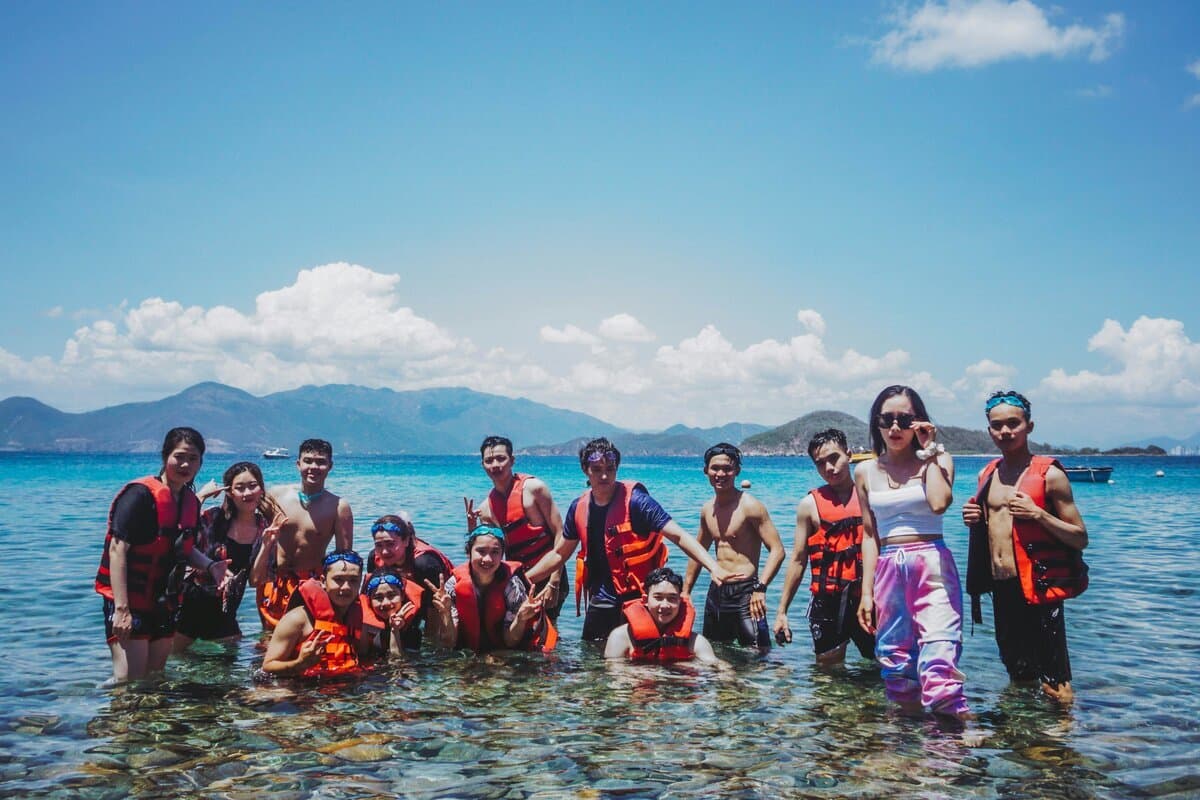
It is not the activities. It is the social element. Your kids meet other kids their age from different parts of the country. They see that other families are structured differently, yet still functional. They make actual friends they stay in touch with. That is the highlight of the trip - not the museum, not the food, but the connection. We get emails months later. Kids are trading TikToks. Families are planning reunions. This happens on almost every family tour we run.
Parents report the same thing. You meet other adults who made the same choice to travel this way. Conversations go deeper than surface level. You end up with contact information and real friendships. A mom from Seattle and a mom from Boston who met on our Japan family tour now video call monthly with their kids. They plan to do another tour together next year. That is not a coincidence. That is the power of intentional group travel.
What to pack for a family group tour
- Comfortable shoes for everyone, including backup pair
- Layers. Every destination is more comfortable if kids can adjust their clothing
- Snacks. Lots of snacks. For the bus, for between meals, for tired moments
- Medications if anyone needs them (allergy meds, motion sickness, etc)
- Portable chargers for phones and tablets
- Small toys or books for the coach if you have very young kids
What family group tours should multi-generational families choose?
We offer family group tours to most of our destinations with a 4.8 out of 5 average rating from families with kids and grandparents. Popular multi-generational tours include:
- Hawaii Maui family group tours - perfect for families with kids who love water, hiking, and laid-back vibes
- Alaska summer family adventures - wildlife up close, glaciers, and experiences that blow kids' minds
- USA East Coast family group tours - history, culture, food, museums. Something for every age from kids to grandparents.
- Canadian Rockies multi-generational tours - perfect for families traveling with elderly parents and kids.
Frequently asked questions about family group tours with kids and multi-generational families
Can kids of different ages enjoy the same group tour?
Yes. Family group tours are specifically designed for mixed ages. A 6-year-old and a 16-year-old experience the same destination differently, but group tours accommodate both. Morning activities appeal to different interests (museums work for all ages, cultural sites work for all ages). Afternoon flexibility means teenagers can do their own thing while younger kids rest or explore with parents. Evening group dinners bring everyone together. Kids actually benefit from age diversity - they make friends with kids different from their school peers.
Are multi-generational family group tours possible (grandparents, parents, kids)?
Absolutely. Multi-generational family tours are increasingly popular. Grandparents get to travel with grandchildren in a structured environment. Parents don't have to coordinate logistics for three generations. The key is pacing - quality group tours build in rest time and flexibility. Morning activity for 2-3 hours, then lunch. Afternoon free time allows elderly family members to rest while parents and kids explore. Evening brings everyone back together. One multi-generational group told us the flexibility meant their 72-year-old grandmother could participate fully without exhaustion.
Do grandparents enjoy traveling on family group tours with grandchildren?
Very much so. Grandparents report that family group tours are ideal for traveling with grandchildren because: (1) logistics are handled professionally, (2) pacing accommodates different mobility levels, (3) other multi-generational families understand the dynamic, (4) built-in rest time allows elderly family members to participate without exhaustion, and (5) the group energy keeps kids engaged so grandparents don't have to entertain constantly. Many grandparents tell us it's the most enjoyable family vacation they've had because everyone's needs are considered.
What if family members have different energy levels or mobility needs?
Group tours handle this through flexible pacing and optional activities. Mandatory activities (breakfast, lunch, group dinner) are structured. Optional activities are just that - optional. Elderly parents or younger kids who tire can rest while others explore. Multi-generational families particularly appreciate this flexibility. A 70-year-old grandfather and 8-year-old granddaughter might rest during afternoon free time while their adult child explores a museum. Everyone regathers for dinner, no guilt.
Are group tours good for kids with special needs or sensory sensitivities?
It depends on the specific needs. Group tours work well for families whose kids have mild sensory sensitivities because: (1) small group size allows personalized attention, (2) afternoon free time provides breaks and quiet space, and (3) restaurants and hotels know how to accommodate dietary restrictions or sensitivities. For kids with severe sensory challenges or behavioral needs, private tours might be better. Discuss your child's specific needs with tour operators - quality companies will be honest about whether a group tour is appropriate.
Can parents with young kids and elderly parents all travel together on a group tour?
Yes, this is a perfect multi-generational scenario for group tours. Young kids need structure (tour provides it). Elderly parents need manageable pacing (tour structures reasonable activity lengths and rest time). Adults need someone else handling logistics (tour provides that). One family of five (two adults, two kids aged 5 and 8, one grandparent aged 68) told us our tour was the first time everyone could participate equally without one generation feeling left out or exhausted.
What is the best age range for kids on family group tours?
Group tours work best for kids ages 6-16. Younger kids (under 6) struggle with pacing and long group settings. Teenagers sometimes feel they're "too old" until they meet other teens on the tour and form friendships. Most families report kids ages 8-14 get the most out of group tours. Teens benefit socially even if they seem reluctant initially. Talk to tour operators about age-appropriate tours - some specialize in younger kids, some in teen-focused experiences.
How do group tours keep kids engaged and prevent boredom?
Through intentional activity selection and social connection. Tours focus on experiences kids actually care about (interactive museums, outdoor adventures, cultural hands-on activities) rather than adult tourist attractions. Pacing prevents burnout - no more than 2-3 hours of structured activity at a time. Crucially, kids meeting other kids their age creates engagement that activities alone can't provide. Kids stay engaged because they're exploring with new friends, not just with parents.
Can siblings travel together on family group tours?
Yes, absolutely. Siblings of different ages traveling together is one of the core benefits of family group tours. They experience the destination together (meals, group activities) while having separate social experiences (meeting different kids). Siblings stay connected while also developing independent friendships. This is healthier than sibling bonding through forced activity all day.